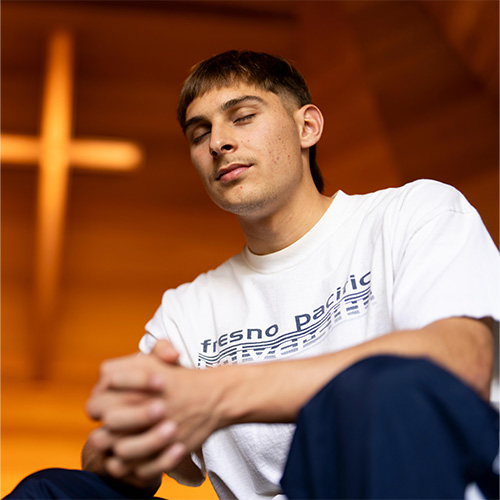
Perhaps it is because we are quicker to criticize leaders than to truly see them. We experience the consequences of their decisions and feel entitled to judge them from a distance. Prayer, by contrast, requires closeness of heart. It invites us to step into another person’s burden rather than placing ourselves above them.
Whether someone leads a nation, a church, a school, a team or a classroom, responsibility has a quiet way of isolating people. The weight grows over time. Expectations accumulate. Gratitude is rare, while blame increases. Mistakes are no longer private; they affect the lives of others. Even good decisions come at a cost.
When I reflect on this, I am drawn to the image of John the Baptist, not as a heroic figure, but as a deeply human one. He carried the hopes, confessions, guilt and longing of countless people. They came to him because they sensed that he could hold what they themselves could no longer carry or decide alone. Day after day, he stood in that place of listening, naming brokenness and calling for repentance and change. Yet he himself lived on the margins, keenly aware of his limits and his own incompleteness.
Leadership often feels like this. People bring what is unresolved, painful or unjust and place it, often unconsciously, into the hands of those who lead. Over time, this burden grows heavy. Kindergarten directors hear the unfiltered truth of families in distress. Emergency doctors encounter the fragility of human life in its most extreme form. Teachers, police officers, pastors, politicians and leaders of all kinds meet the fractures of our society long before they become visible in public debates.
John stands once more among the people, sees Jesus approaching, and suddenly the burden lifts. Hope rises. With joy and deep relief, he points away from himself to the one “who takes away the sin of the world” (John 1:29).
What gives me hope in my own leadership responsibilities, and in my view of those who carry authority, is the reminder that no one is meant to bear such burdens alone.
At the heart of the Christian story lies the conviction that the deepest weight of this world—guilt, violence, injustice and suffering—does not rest on human shoulders. There is a greater mercy at work, one that absorbs what would otherwise crush us. Leadership becomes sustainable only where burdens can be laid down and entrusted elsewhere.
It becomes quieter and at the same time deeper. It moves from commentary to compassion, from judgment to intercession. When we pray for those in authority, we acknowledge both the visible and invisible burdens they carry. We see behind the role the person, with all their limitations, vulnerable and often tired.
Praying for leaders does not mean excusing their failures. It means refusing to dehumanize them. It means asking for wisdom where complexity overwhelms, for courage where fear tempts compromise, and for rest where exhaustion threatens clarity.
In a world quick to assign blame, intercession becomes a quiet act of resistance. It insists that no one in responsibility, in whatever sphere, should stand alone under the weight of so many affected lives. And it reminds us that we remain responsible for one another, and that compassion, when carried to God in prayer, is not a weakness, but the beginning of healing—for our politicians, for all leaders, for our country and for all of us.