
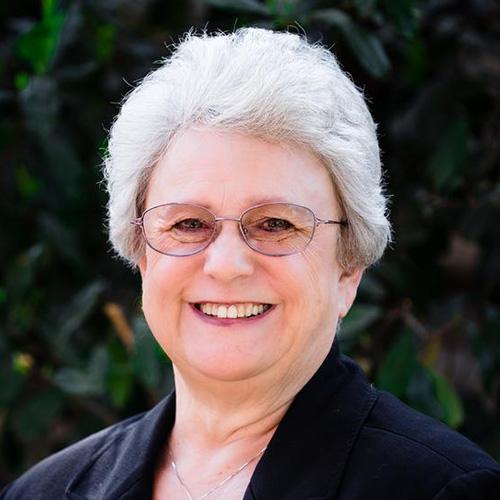
Sharon Starcher, D.B.A.
Assistant Professor of Business
- 559-453-3689
- sharon.starcher@fresno.edu
In the late Fall of 2025, I spoke at a professional development conference for the Project Management Institute local chapter.
As I reviewed the topic, I identified some good takeaways for all of us in the business arena. Most of us face multi-generational teams. Here are some specific strategies for promoting cross-generational collaboration, learning, and inclusive work environments that revolve around building relationships, tailoring approaches to individual needs, and fostering structured opportunities for interaction and knowledge transfer.
The goal of managing the generation gap is not just resolving conflict but recognizing the unique strengths each generation brings and fostering a culture of collaboration. Rather than relying on stereotypes or non-scientific definitions of generational labels, effective leaders focus on the individual. Here are 6 things to consider when building a multi-generational team:
There are more tips and strategies, but this is a good starting point! I am available to mentor, consult, or speak to your group if this is an area of need for your organization.
Sharon L. Starcher (Doctor of Business Administration)
Program Director and Faculty at Fresno Pacific University